What is a Japanese Sauna? Onsen vs Sento vs Super Sento
If you're searching for a sauna in Japan, you'll quickly run into a confusing alphabet soup of terms: onsen, sento, super sento, daiyokujou, rotenburo. Here's a clear breakdown of what each one means — and where you'll actually find a sauna.
Quick Comparison
| Type | Water | Sauna? | Typical price | Best for |
|---|---|---|---|---|
| Onsen (温泉) | Natural hot spring | Often | ¥1,500–¥3,000+ | Traditional soak + sauna |
| Sento (銭湯) | Heated tap water | Sometimes (small) | ~¥500 | Local, no-frills visit |
| Super sento | Heated, themed baths | Yes — many styles | ¥800–¥2,500 | Sauna variety, full day out |
| Hotel daiyokujou | Heated (sometimes onsen) | Almost always | Included with stay | Convenience — our focus |
Onsen (温泉)
An onsen is a hot spring — water that comes from a natural geothermal source and meets legal mineral requirements. Onsen can be indoors or outdoors (rotenburo). The water itself is the attraction, typically 38–42°C.
Do onsen have saunas? Often, yes. Most onsen ryokan and resort hotels add a dry sauna next to the hot spring baths as a complementary facility. The sauna + onsen + cold bath combination is extremely common at resort hotels.
Sento (銭湯)
A sento is a traditional public bathhouse. Unlike onsen, the water is heated artificially (no natural spring). Sento are neighborhood institutions — small, affordable (around ¥500), and increasingly rare.
Do sento have saunas? Many do, but they're usually small dry saunas. Sento saunas are beloved by locals but rarely the main draw. Note: some sento charge a small extra fee (¥100–200) for sauna access.
Super Sento (スーパー銭湯)
A super sento is a large, modern bathing complex — think of it as a bath theme park. These facilities feature multiple baths (carbonated, jet, herbal), multiple saunas (dry, salt, steam), cold plunges, rest areas, restaurants, and sometimes even manga libraries.
Do super sento have saunas? Absolutely — super sento are the best place for sauna variety. Facilities like SPA WORLD in Osaka have entire floors dedicated to different sauna styles. If you want the full Japanese sauna experience without staying at a hotel, a super sento is your best bet.
Daiyokujou (大浴場)
Daiyokujou simply means "large bathing hall." This is the term hotels use for their communal bath area. A hotel's daiyokujou typically includes: a main hot bath, a cold water bath (mizuburo), a dry sauna, and shower stations. When a hotel listing says "sauna available," it almost always means a dry sauna inside the daiyokujou.
Rotenburo (露天風呂)
Rotenburo means outdoor bath. It can be part of an onsen, sento, or hotel. The appeal: soaking in hot water under the open sky. Many hotels with outdoor baths also have outdoor resting chairs, making the sauna → cold plunge → outdoor rest cycle possible.
Which Should You Choose?
- Hotel sauna (daiyokujou): Best for convenience — sauna, bath, and your room in one building. Our directory focuses on these.
- Super sento: Best for variety and a full-day bathing experience.
- Onsen ryokan: Best for the traditional experience — natural spring water, often with a sauna added.
- Sento: Best for an authentic, local, no-frills experience.
Whichever you choose, the etiquette is the same: wash first, no swimsuits, and enjoy the cycle.
Frequently Asked Questions
Do I need to be naked at all of these?
Yes. Onsen, sento, super sento and hotel daiyokujou are all nude bathing areas — swimsuits are not allowed. This applies to the sauna too. See our etiquette guide for the full rules.
Can I go to a sento or super sento with tattoos?
Policies vary widely. Many public bathhouses still refuse tattoos, though a growing number are relaxing the rule. Hotel saunas tend to be more flexible — we track the policy for every hotel in our tattoo-friendly guide.
Which option has the best saunas?
For sheer variety, a super sento wins. For convenience and quality combined, a good hotel daiyokujou is hard to beat — and that's exactly what our directory covers.
What is a rotenburo?
A rotenburo (露天風呂) is simply an outdoor bath. It can be part of any of the facility types above. Hotels that combine a sauna with a rotenburo offer the complete hot-cold-outdoor cycle — see our outdoor-bath guide.
If the onsen-ryokan route appeals, Yahataya is a superb example — natural spring water, a 120°C self-loyly sauna and a 15°C plunge:
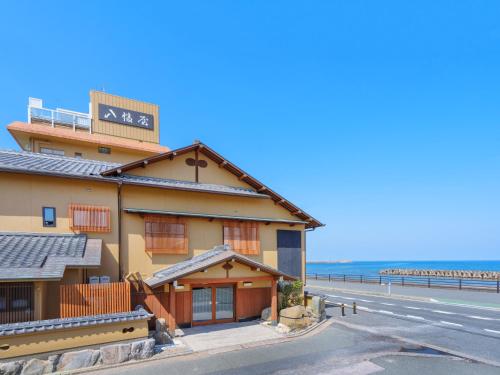 Yahataya
海辺の鮨宿 八幡屋
Kyushu · Sauna 120°C · Water 15°C · Tattoo OK
View details & booking →
Yahataya
海辺の鮨宿 八幡屋
Kyushu · Sauna 120°C · Water 15°C · Tattoo OK
View details & booking →
Compare more options in our outdoor-bath guide or hottest-sauna ranking.